So, you want to be a fortune teller
You have a tarot deck, a stack of books on how to read them and a crazy dream of pulling cards as a working professional. Taking the jump from hobbyist to full blown fortune-teller is a big leap and one that requires a lot of patience, practice and perseverance to stick the landing. Nothing that is worthwhile comes easy and if you are expecting this hustle to make you rich and famous, I’d suggest you get into some other industry. I heard the cocaine game is lucrative.
However, if you are the kind of person who likes to chill with broken people, keep odd hours and get a certain visceral joy out of exploring trauma, then this series of articles aims to help you be a success on your journey. This blog will detail methods that professional tarot readers have used for generations to rake in that cash, updated for a contemporary mindset and ethical standards. We’ll explore topics that range from branding to community building strategies, table setups and maintaining client lists.
But before we get into that, the first thing that we should explore is the simple question of …
WHY?
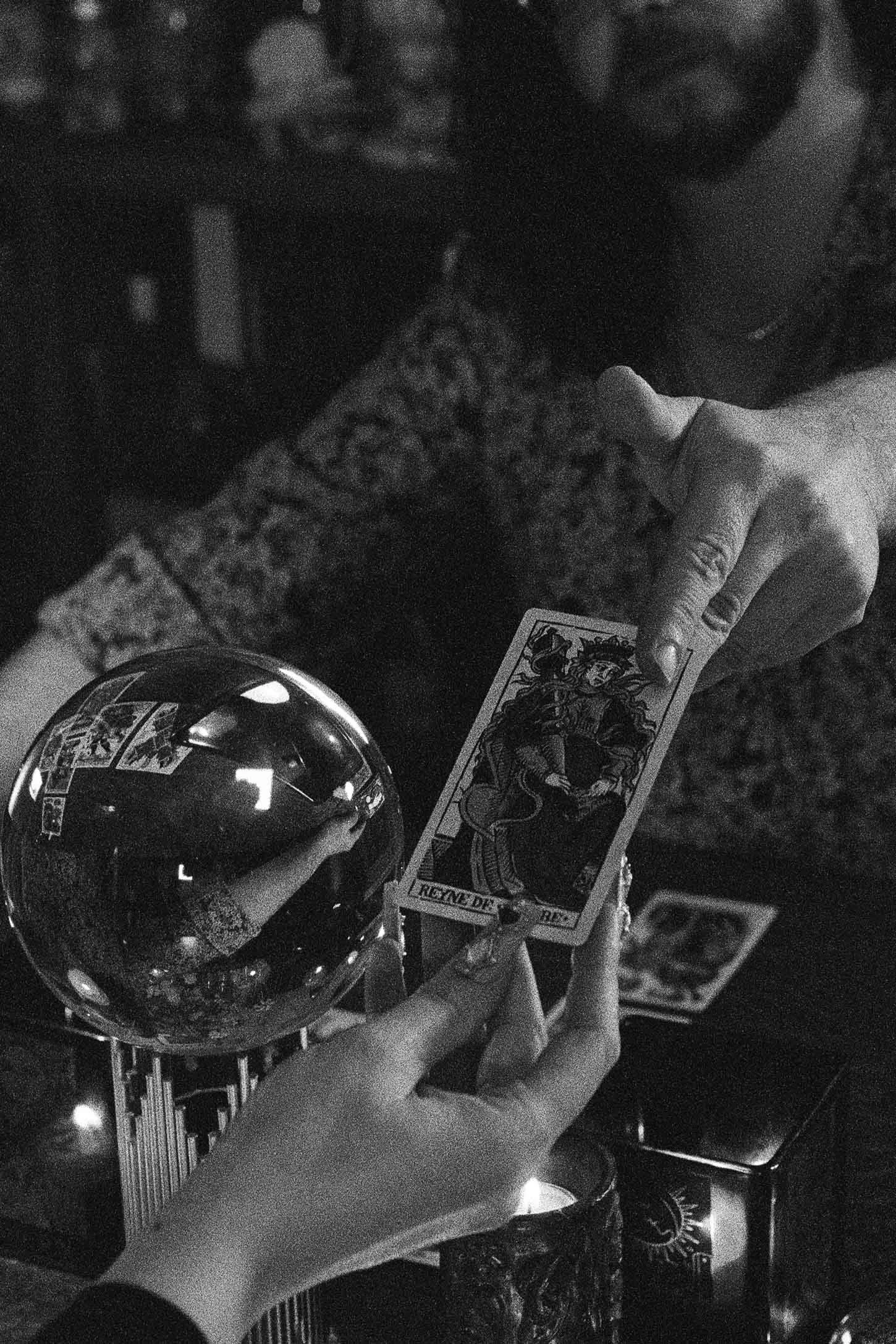
FORTUNE TELLER OR MYSTIC PERSONALITY… (or maybe both?)
Perhaps you have noticed the use of the currently out of vogue term “fortune teller” to describe the work that this article is giving advice on. The anachronism is deliberate, as to distinguish between two different (and equally valid) expressions of divination in the 21st century. Many people nowadays have their first exposure to divination and occult practices on the internet, usually via outlets like YouTube, Facebook live and TikTok. The proliferation of content on these platforms can easily lead someone to believe that in order to be seen as valid in this line of work, they must have a substantial presence online.
While the work these Mystic Personalities (or Influencers, if you will) do when it comes to educating people about esoteric subjects and divination is important, the skills for becoming a viral success aren’t necessary when it comes to being an effective fortune teller. Reading cards and casting runes (etc etc) won’t become any easier with a better follow ratio on Twitter. Where a fortune teller differs in regards to a Mystic Personality is the interpersonal nature of their work. Where a Mystic Personality must adapt their message to resonate with a broader audience, the fortune teller works on a micro scale, taking on the emotional labor of the seeker they are working with and investing time and effort on an individual basis.
Before actually setting out on this professional journey, think about which one of these aspects of your practice you prefer to focus on. The advice contained in this series focuses on the subject of fortune telling and while it may seem like small potatoes when compared to 1.4 million subs on YouTube, the feeling of joy you get from changing one person’s life for the better can be more validating than getting hella views.
ENDGAME?
Finally, what are your indicators of success? What are the milestones you need to hit in your practice before you feel a sense of personal validation? This is an important motivational tactic for any undertaking. Without setting parameters of victory or an easy indicator of “killing it,” it is easy to fall into a self critical cycle of imposter syndrome. Maybe your threshold for success is booking every weekend of the Spooky and Holiday seasons for party gigs. One of mine when I was young was being able to get drunk at a bar without spending any of my own money. The threshold is different for everyone, as it is informed by their own expectations and feelings of accomplishment.
What matters is the feeling of confidence that success imparts to your practice; A fortune delivered with a lack of conviction is a message that never reaches its destination.

